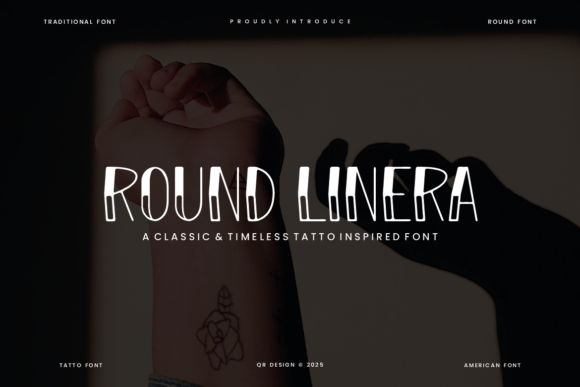
Augustus Font: Modern Typography for Publishing
Augustus is a stylish sans serif font that brings elegance and clarity to editorial design. Its clean lines and balanced structure make it ideal for a wide range of publishing needs, from blog headers to ebook titles. As a premium font, Augustus offers versatility without sacrificing visual appeal.
The font’s modern yet approachable style makes it suitable for both digital and print formats. Its subtle curves and open counters enhance readability while maintaining a strong visual presence. Whether used in headlines or as part of a brand identity, Augustus adds a touch of sophistication to any layout.
Using Augustus in Editorial Design
For bloggers and publishers, Augustus can serve as a powerful tool for creating engaging content. Its boldness makes it perfect for article headers, ensuring that key sections stand out on the page. When paired with a readable serif font for body text, it creates a harmonious balance between style and function.
In magazine design, Augustus excels as a cover title or section heading. Its geometric structure gives it a contemporary feel, making it a great choice for lifestyle, fashion, or tech publications. The font also works well for pull quotes, drawing attention to key statements within an article.
Applications in Digital and Print Content
Augustus is particularly effective in digital formats such as newsletters and email campaigns. Its legibility on screens ensures that readers can easily engage with content, even on smaller devices. For printable materials like worksheets, planners, or guides, the font maintains its clarity in both PDF and physical formats.
When designing for print, Augustus retains its sharp edges and consistent weight, making it ideal for brochures, flyers, and packaging. Its multilingual support expands its usability for global audiences, allowing creators to maintain a cohesive look across different languages.
Brand Identity and Visual Hierarchy
For independent content brands and digital product creators, Augustus provides a strong foundation for building a consistent visual identity. It can be used across logos, social media graphics, and website headers to create a unified look. Its clean aesthetic supports a professional and polished brand image.
In terms of visual hierarchy, Augustus works best as a display font rather than for long paragraphs. Its high contrast and distinctive shape make it ideal for headings, subheadings, and accent typography. When used in moderation, it helps guide the reader’s eye through a layout without overwhelming the design.
Practical Examples and Pairing Suggestions
Consider using Augustus for a lifestyle blog’s homepage header or a recipe ebook’s title page. Its modern tone aligns well with themes of health, wellness, and creativity. In a wedding guide, the font can add a refined touch to chapter openers or quote graphics.
For a coaching workbook or printable planner, Augustus enhances the visual appeal of section titles and key takeaways. It pairs well with a simple sans serif font for captions and navigation elements, ensuring that the overall design remains clean and easy to follow.
When working with a script or handwritten font, Augustus can act as a counterbalance, offering a structured contrast that prevents the design from feeling too casual. This pairing is especially useful for creative projects that require both personality and professionalism.
Readability and Cross-Platform Use
Augustus is designed with readability in mind, making it suitable for both web and print. Its consistent stroke widths and clear letterforms ensure that it remains legible at various sizes. This is especially important for mobile layouts, where screen space is limited.
Creators should check the font’s weights and alternates to find the right fit for their project. Some versions may include ligatures or stylistic alternates that can add unique touches to designs. These features can help differentiate a publication while maintaining a cohesive look.
Commercial Licensing and Usage
For those using Augustus in commercial projects, it’s essential to review the licensing terms. The font is suitable for ebooks, templates, printables, paid newsletters, and client publications, provided that the appropriate license is obtained. This ensures that the font can be used without legal complications.
As a design asset, Augustus contributes to a stronger brand identity while supporting the practical needs of editorial work. Its adaptability makes it a valuable addition to any content creator’s toolkit, whether they are designing a digital magazine or crafting a lead magnet for their audience.
By incorporating Augustus into layouts, designers can elevate the visual tone of their work while maintaining a focus on readability and user experience. Its combination of style and functionality makes it a reliable choice for a wide range of publishing projects.